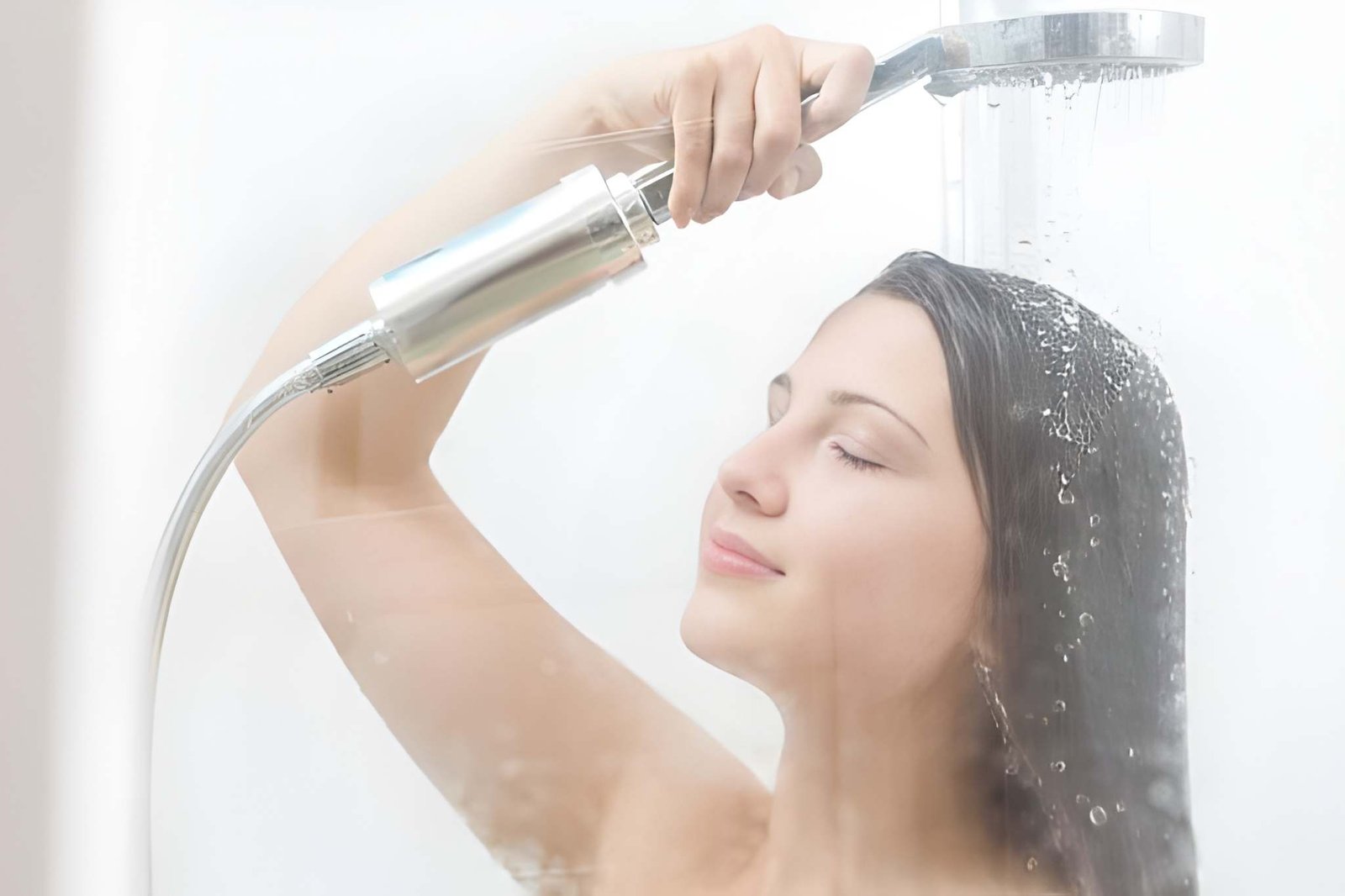
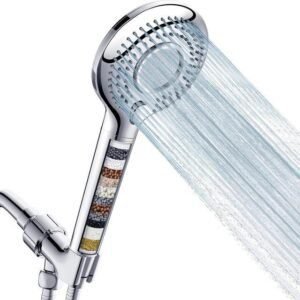
Chlorine is a common chemical used in swimming pools to kill bacteria and keep the water clean, but it’s not so friendly to your hair. Whether you’re a frequent swimmer or just enjoy a casual dip, exposure to chlorinated water can lead to dull, dry, and damaged hair. In this article, we’ll explore how chlorine affects your hair, ways to protect it, and effective methods to restore your hair’s health after damage, especially when using Blue Oasis Shower Filter for extra care.
Effects of Chlorine on Your Hair: Why is Chlorine Bad for Your Hair?
Chlorine, a strong oxidizing agent, disrupts hair’s biochemical structure by targeting keratin, the primary protein component of hair. The hair cuticle, a protective layer formed by overlapping dead keratinized cells, is particularly vulnerable to chlorine. Chlorine is harsh on your hair. Here’s why:
Strips Natural Oils: Chlorine strips your hair of its natural oils, leaving it dry and brittle. These oils are what keep your hair smooth and shiny.
Weakens Hair Structure: Prolonged exposure weakens the protein structure in your hair, leading to split ends and breakage.
Changes Hair Color: If you have colored hair, chlorine can cause your dye to fade faster, leaving your hair looking lackluster.
Irritates the Scalp: Chlorine can dry out your scalp, leading to itchiness, dandruff, and irritation.
How Can I Protect My Hair from Chlorine Water Damage?
Protecting your hair from chlorine doesn’t have to be complicated. Here are some simple strategies:
- Wet Your Hair Before Swimming
Before you dive into the pool, wet your hair with fresh water to minimize chlorine absorption.
- Apply a Leave-In Conditioner, Hair Oil, or Blue Oasis Shower Filter
Using a leave-in conditioner, hydrating hair oil, or incorporating Blue Oasis Shower Filter can create a protective barrier between your hair and chlorinated water.
- Wear a Swim Cap
A swim cap reduces the amount of water that reaches your hair significantly.
- Use a Clarifying Shampoo
After swimming, wash away chlorine and other chemicals with a clarifying shampoo.
- Rinse Immediately After Swimming
Rinse with clean water immediately after swimming to reduce damage.
Ways to Prevent Hair from Chlorine Damage
Preventing chlorine damage doesn’t have to be complicated. Here are some tips:
- Regular Deep Conditioning
Deep conditioning masks restore moisture and strengthen your hair.
- Use a UV Protection Spray
Protect hair from both chlorine and sun damage.
- Choose Hair Products for Swimmers
Formulated to protect hair from chlorine’s drying effects.
- Avoid Heat Styling
Reduce further dryness and breakage by avoiding straighteners or curling irons.
How Can I Fix Chlorine-Damaged Hair?
If your hair is already damaged, these methods can help:
- Hydrating Hair Masks
Use masks with shea butter, aloe vera, or coconut oil.
- Protein Treatments
Rebuild the hair’s damaged structure.
- Trim Damaged Ends
Prevent further breakage with regular trims.
- Switch to a Sulfate-Free Shampoo
Gentle on hair, maintains essential oils.
- Stay Consistent with Your Hair Care Routine
Moisturize and condition regularly for best results, and consider using Blue Oasis Shower Filter for ongoing hair protection.
Conclusion
Chlorine may be essential for keeping pools safe, but it can damage your hair. Using protective measures, deep conditioning, and Blue Oasis Shower Filter can help you enjoy swimming without worrying about long-term hair damage.
FAQs
- Can chlorine damage be reversed?
Yes, with deep conditioning, protein treatments, and regular care.
- Does Chlorine Turn Your Hair Green?
The green tint comes from metals like copper, not chlorine itself. Use clarifying shampoo or rinsing methods to prevent it.
- How often should I wash my hair after swimming?
Rinse immediately and use clarifying shampoo every few swims.
- Will a swim cap completely protect hair from chlorine?
No, it reduces exposure but should be combined with other protective measures.
- Is daily swimming safe for hair?
Yes, if using protective hair care and deep conditioning routines.
- Can coconut oil protect hair from chlorine?
Yes, it forms a protective barrier, reducing chlorine absorption.