USA is known for its advanced water supply systems and strict safety regulations. One of the most common questions among plant lovers is whether tap water is safe and suitable for watering plants. While tap water in USA is generally safe for human use, its suitability for plants depends on several important factors.
Plants are sensitive to water quality because it directly affects soil health, nutrient absorption, and long-term growth. Understanding how tap water interacts with plants can help you make better decisions for healthier and more vibrant greenery.
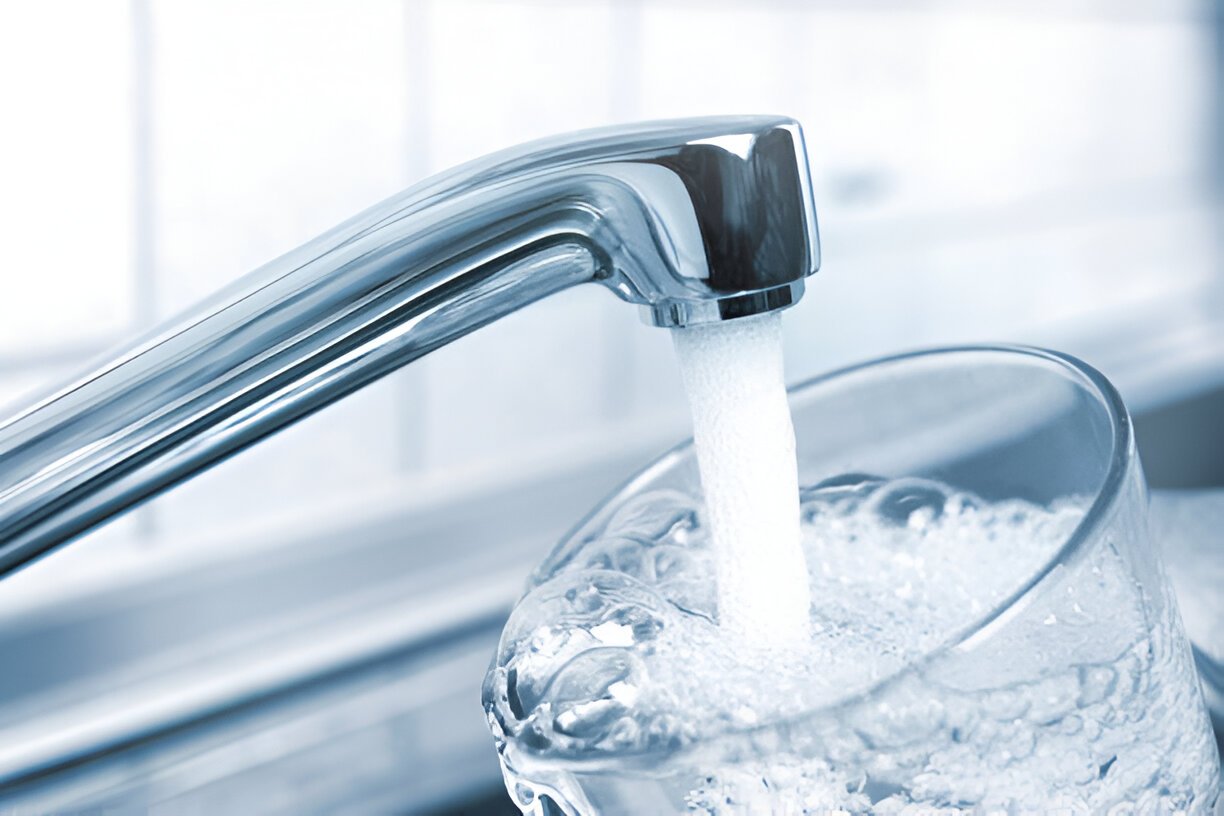
In USA, tap water is treated through municipal water systems that follow strict safety standards. It is processed to remove harmful bacteria, chemicals, and contaminants before reaching homes.
Although it is safe for drinking and household use, it may still contain small amounts of chlorine, fluoride, and minerals added during treatment. These elements are usually harmless to humans but can have different effects on plants depending on usage and soil conditions.
Tap water can affect plants in both positive and negative ways depending on its composition and frequency of use.
One of the main concerns in tap water is chlorine, which is used to disinfect water supplies. While chlorine is safe in small amounts, it may affect beneficial microorganisms in soil that help plants grow.
Over time, this can slightly impact soil health, especially for sensitive plant species.
Tap water may contain minerals such as calcium and magnesium. While these are not harmful in small amounts, continuous watering can lead to mineral buildup in the soil.
This can affect how well plants absorb nutrients and may slow down growth in some cases.
Some plants are sensitive to fluoride, which may be present in trace amounts in tap water. Over time, this can lead to leaf discoloration or reduced plant health in sensitive species.
Yes, tap water can be used for many plants in USA, especially hardy indoor and outdoor varieties. However, it may not always be the ideal long-term solution for all plant types.
Some plants tolerate tap water very well, while others may show signs of stress over time depending on sensitivity and soil conditions.
The key is to understand your plant type and observe how it responds to regular watering.
If you want to improve plant health, there are several alternative watering options you can consider.
Rainwater is naturally soft and free from many chemicals found in tap water. It is one of the best options for plants because it closely matches their natural environment.
However, availability depends on weather conditions and storage options.
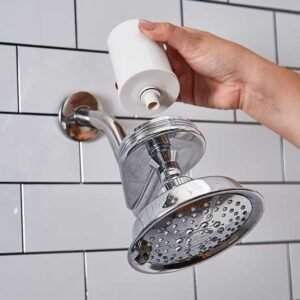
Filtered water is another effective alternative. Using a filtration system such as Blue Oasis Filter can help reduce chlorine and impurities, making water more suitable for plant care.
Filtered water supports healthier soil conditions and better nutrient absorption.
Distilled water is free from minerals and chemicals, making it very pure. It can be useful for sensitive plants, but it may lack nutrients that plants need over time.
Some plant owners mix tap water with filtered or distilled water to balance mineral content and reduce potential negative effects.
Water plants early in the morning or late in the evening to reduce evaporation and improve absorption.
Good soil drainage helps prevent salt and mineral buildup around plant roots.
Too much water can lead to root problems and reduce oxygen availability in soil.
Pay attention to leaf color, growth rate, and overall plant health to adjust watering methods if needed.
Using Blue Oasis Filter can improve water quality by reducing unwanted chemicals and impurities commonly found in tap water.
This can help create a more balanced environment for plant growth and improve long-term soil health.
Cleaner water supports better nutrient absorption and reduces stress on sensitive plants.
Visit site=best shower filter in USA
This may indicate nutrient imbalance or water quality issues.
Poor water quality can affect how plants absorb nutrients.
Some plants show sensitivity to minerals or chemicals in tap water.
Tap water in USA is generally safe for plants, but it may not always provide the ideal conditions for optimal growth. While many hardy plants can adapt well, sensitive plants may benefit from alternative water sources.
Using filtered water through solutions like Blue Oasis Filter can help improve water quality and support healthier plant growth. By understanding your plant’s needs and choosing the right watering method, you can ensure stronger, greener, and more vibrant plants over time.s require water with essential minerals. Using filtered or rainwater is often a better choice for maintaining plant health.