Water is essential for life, and we all rely on it daily for drinking, cooking, and cleaning. But have you ever wondered if the tap water you use is truly clean and safe? In many places, tap water is treated and regulated to meet certain standards. However, even with this treatment, it can still contain impurities that may not be good for your health. This is why many people are turning to water filters to ensure that their water is as clean as possible. But is it necessary to have a water filter? Let’s explore this in detail.
A water filter is a device that removes impurities from water. These impurities can include chemicals, bacteria, sediment, heavy metals, and other contaminants. A good water filter can help improve the taste of the water and ensure it is safer for everyday use.
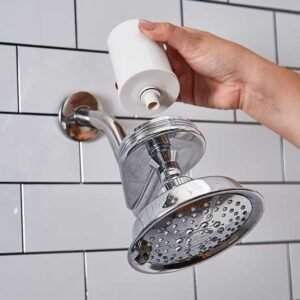
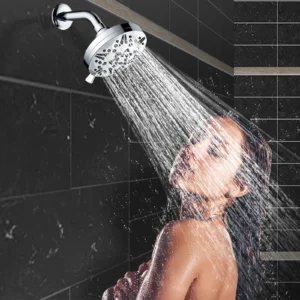
In some regions, water quality can vary depending on infrastructure and supply conditions. In certain areas, using a shower filter is particularly important. The water in such areas may contain higher levels of chlorine and other chemicals, which can affect your skin and hair. A shower filter can help reduce these impurities, making your shower experience more comfortable and refreshing.
There are many types of water filters available, including activated carbon filters, reverse osmosis systems, and UV filters. Each type works differently depending on the contaminants it targets. The right filter depends on your water quality and specific needs.
Even though tap water in many countries is treated to meet health standards, it can still contain various contaminants. These may include chlorine, fluoride, lead, pesticides, and other chemicals.
Some of these substances affect taste and smell, while others may pose long-term health concerns. The condition of water depends on its source and the pipes it travels through. Older plumbing systems may also contribute unwanted elements to the water supply.
While tap water is generally considered safe, long-term exposure to certain contaminants may still be a concern for some households.
A water filter can remove many impurities from tap water. Activated carbon filters can reduce chlorine, while reverse osmosis systems can remove dissolved solids and heavy metals. This helps ensure cleaner and better-quality water for daily use.
Tap water sometimes has an unusual taste or smell due to chlorine or minerals. A water filter helps improve both taste and smell, making water more pleasant to drink and encouraging better hydration habits.
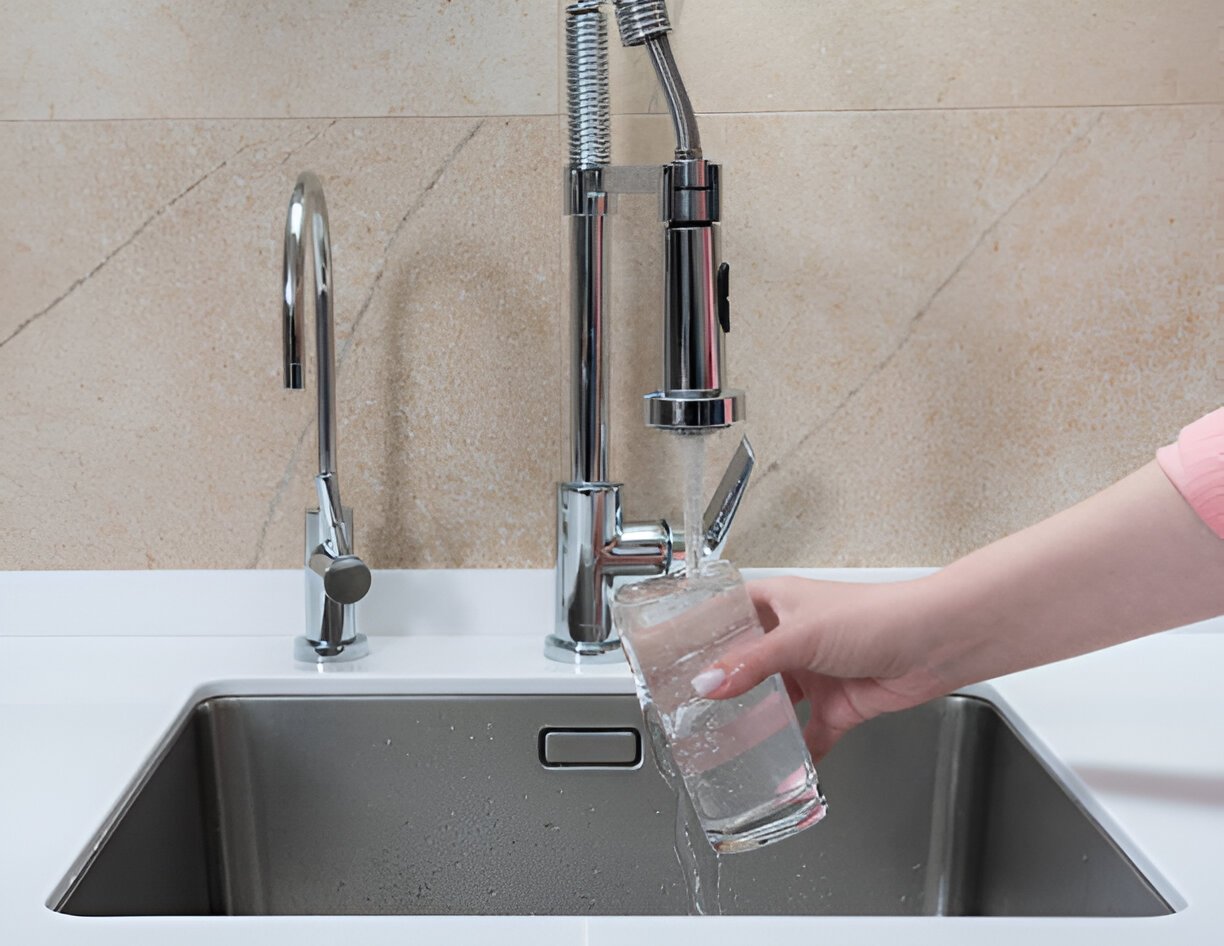
Buying bottled water regularly can be expensive and environmentally harmful due to plastic waste. A water filter provides a long-term solution by delivering clean water directly from your tap or shower system, reducing both cost and waste.
Certain contaminants in water may affect health over time. A good filtration system helps reduce exposure to unwanted substances, providing safer water for drinking and daily use. This is especially important for families with children or individuals with sensitive health conditions.
The need for a water filter depends on water quality and personal preference. In some areas, tap water is already of good quality and may not require additional filtration. However, in other cases, a filter can provide an extra layer of protection and improve overall water experience.
Even if water meets safety standards, some people still prefer filtered water for better taste, comfort, and peace of mind.
Understand what you want to improve—taste, smell, or removal of specific contaminants.
Testing your water can help identify what impurities are present.
Activated carbon filters are good for improving taste and smell, while reverse osmosis systems are better for deeper filtration.
Choose a filter that is easy to maintain and replace when needed.
While tap water is generally safe in many areas, it can still contain impurities that affect quality, taste, and comfort. A water filter provides an extra layer of protection and improves overall water experience.
Whether or not you need one depends on your water quality and personal preference. However, for many households, using a filter is a simple and effective way to ensure cleaner, safer, and better-tasting water every day.
blue oasis filter
Water filters can remove many harmful bacteria, depending on the type of filter. For example, activated carbon filters reduce contaminants like chlorine, while reverse osmosis filters remove heavy metals and bacteria. However, not all filters are designed to eliminate all pathogens, so choosing the right filter is important.
The frequency of replacing a water filter depends on the type of filter and water usage. Generally, activated carbon filters should be replaced every 6-12 months, while reverse osmosis filters may last longer. Always follow the manufacturer’s guidelines to ensure optimal filtration performance.
Yes, water filters are excellent for improving the taste of tap water. Filters like activated carbon remove chlorine and other impurities that affect taste, making your water fresher and more pleasant to drink. If taste is a concern, investing in a water filter can significantly improve the quality of your water.
While the initial cost of a water filter can vary, the maintenance cost is relatively low. Most filters require only occasional replacement of cartridges or membranes. Compared to the cost of bottled water, using a water filter is a cost-effective, long-term solution for clean drinking water.
A water filter may not be necessary in all households, but it’s a good idea if you’re concerned about water quality. Areas with older pipes, high levels of chlorine, or other contaminants might benefit from filtration. Testing your water can help determine if a filter is needed in your home.